Top Chipsets Powering Smart Home Gadgets and IoT Solutions
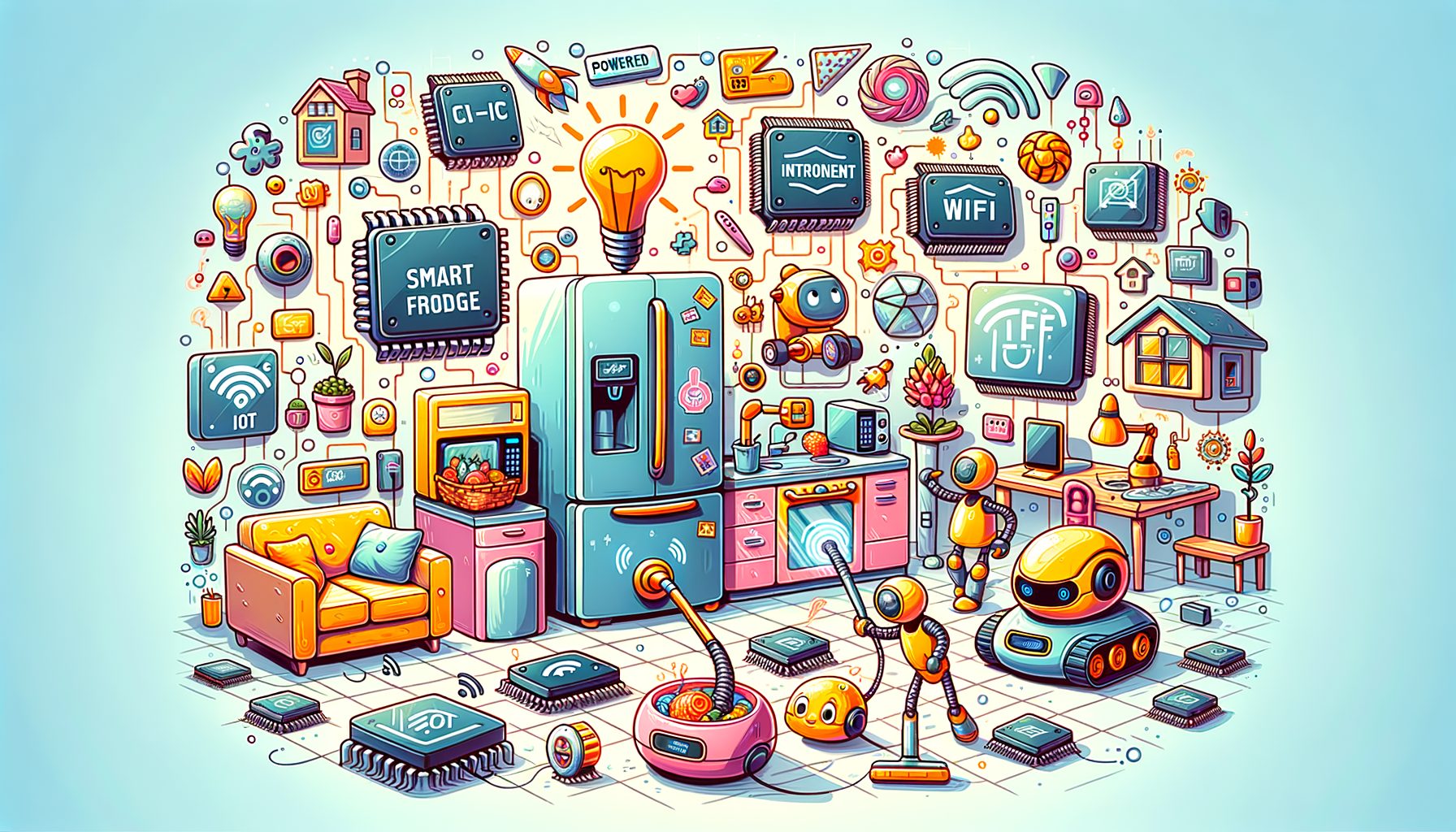
Smart homes have rapidly moved from being a luxury to becoming a practical and widely adopted lifestyle choice. Devices such as smart thermostats, connected lighting, security cameras, and voice-controlled assistants are now common in households around the world. Behind the convenience and automation these products provide lies a critical component that often goes unnoticed: the chipset.
While user interfaces and mobile applications shape the visible experience, chipsets determine how efficiently devices communicate, process data, and operate over long periods. As the Internet of Things (IoT) ecosystem continues to expand, the importance of reliable and secure chipsets has grown significantly.
The Role of Chipsets in Smart Home Technology
Every smart home device relies on its chipset to manage essential tasks such as data processing, wireless communication, and power management. Unlike traditional computer processors, IoT chipsets are designed with efficiency in mind, enabling devices to remain active while consuming minimal energy.
Another key responsibility of modern chipsets is interoperability. Smart homes typically consist of multiple devices working together across different protocols. A well-designed chipset ensures compatibility with standards such as Wi-Fi, Bluetooth, Zigbee, and Thread, allowing seamless communication within the ecosystem.
Qualcomm Snapdragon Platforms for Connected Homes
Qualcomm has established itself as a leader in connected technology, and its Snapdragon platforms play a significant role in smart home and IoT solutions. These chipsets are commonly used in smart speakers, home hubs, and advanced security systems.
One of the defining features of Snapdragon IoT platforms is their integrated artificial intelligence capabilities. By enabling on-device voice recognition and automation processing, these chipsets reduce reliance on cloud services while improving response times and data privacy.
Strong wireless connectivity and long-term software support further contribute to Qualcomm’s reputation as a dependable choice for premium smart home products.
MediaTek and Cost-Effective IoT Adoption
For manufacturers focused on affordability and large-scale deployment, MediaTek chipsets offer a practical solution. These platforms are widely used in smart displays, connected appliances, and networking equipment.
MediaTek emphasizes efficient multimedia handling and stable connectivity, which makes its chipsets suitable for devices that prioritize consistent performance over intensive computation. This balance has helped accelerate the adoption of smart home technologies in both residential and commercial settings.
By offering flexible designs and broad compatibility, MediaTek enables device makers to bring IoT products to market quickly and efficiently.
Nordic Semiconductor and Low-Power Innovation
Battery-powered smart home devices require a different approach, and this is where Nordic Semiconductor stands out. Its chipsets are widely recognized for their ultra-low power consumption and reliable Bluetooth Low Energy connectivity.
Devices such as smart sensors, wearables, and smart locks benefit from Nordic’s focus on energy efficiency, often operating for extended periods without battery replacement. This capability is particularly valuable in large smart home deployments.
In addition to power efficiency, Nordic places a strong emphasis on secure communication, addressing growing concerns around data protection in connected environments.
Espressif Systems and Developer-Friendly Chipsets
Espressif Systems has gained popularity through its ESP-series chipsets, which are commonly used in both commercial and do-it-yourself IoT projects. These chips offer integrated Wi-Fi and Bluetooth capabilities at an accessible cost.
The strength of Espressif lies in its open-source ecosystem and active developer community. This environment supports rapid innovation and experimentation, making these chipsets a frequent choice for smart plugs, controllers, and automation modules.
As a result, Espressif continues to play a significant role in shaping grassroots innovation within the IoT landscape.
NXP Semiconductors and Industrial-Grade Solutions
NXP Semiconductors addresses the needs of smart home systems that require enhanced reliability and long-term stability. Its chipsets are commonly found in smart lighting, building automation, and energy management applications.
Security is a defining feature of NXP platforms. Hardware-based encryption, secure boot mechanisms, and lifecycle management tools help protect devices against evolving threats.
As smart homes increasingly integrate with larger smart infrastructure, NXP’s solutions provide a dependable foundation for scalable and secure deployments.
Ecosystem-Driven Chipsets from Apple and Google
Major technology companies such as Apple and Google have also developed custom chipsets tailored to their smart home ecosystems. Apple’s silicon powers HomeKit-enabled devices, while Google designs chips optimized for its Nest product line.
Rather than focusing solely on raw performance, these chipsets prioritize seamless integration, consistent updates, and tight ecosystem control. This approach results in smoother automation and a more unified user experience.
For consumers, ecosystem-driven chipsets often translate into improved reliability and long-term support.
Looking Ahead: The Future of IoT Chipsets
The next generation of smart home and IoT chipsets is expected to deliver stronger edge AI capabilities, improved power efficiency, and enhanced security features. Support for unified standards will also play a critical role in improving interoperability across devices.
As connected homes become more sophisticated, the chipset will remain the foundation upon which innovation is built. Understanding these technologies offers valuable insight into how smart living continues to evolve.
In summary, while smart home devices may appear simple on the surface, their functionality depends heavily on advanced chipset design. As IoT adoption grows, these components will continue to shape the performance, security, and reliability of connected environments.